In 1835, Joseph Smith purchased four Egyptian mummies and several papyrus scrolls from a traveling exhibition. He claimed to translate one of these scrolls as "the writings of Abraham, while he was in Egypt, called the Book of Abraham, written by his own hand, upon papyrus." The book was published in 1842, with three illustrated "facsimiles" and Smith's own explanations of each figure. It was canonized as LDS scripture in 1880 and remains so today in the Pearl of Great Price.
The problem: In 1966, portions of the original papyri were discovered in the Metropolitan Museum of Art in New York. They were transferred to the LDS Church, which published photographs in 1968. Professional Egyptologists — both LDS and non-LDS — were then able to compare Smith's "translations" against the actual documents. Their verdict was unanimous: the papyri are standard Egyptian funerary texts with no connection to Abraham whatsoever. This page presents that comparison in detail.
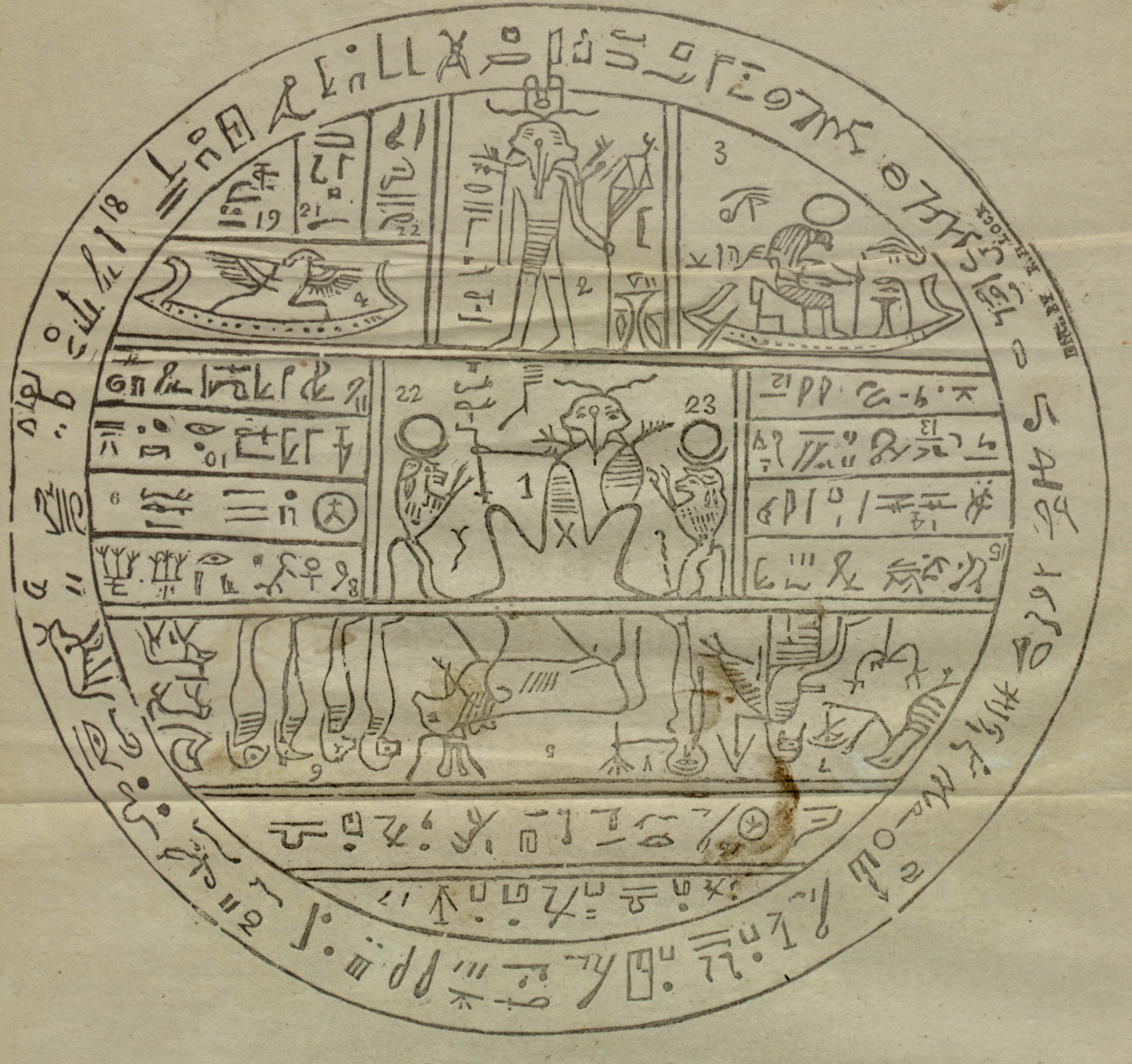
Sources: Robert K. Ritner (Univ. of Chicago), "Translation and Historicity of the Book of Abraham — A Response" (2014) · LDS Gospel Topics Essay: "Translation and Historicity of the Book of Abraham" (2014) · Michael D. Rhodes, BYU, "Teaching the Book of Abraham Facsimiles" (2003)
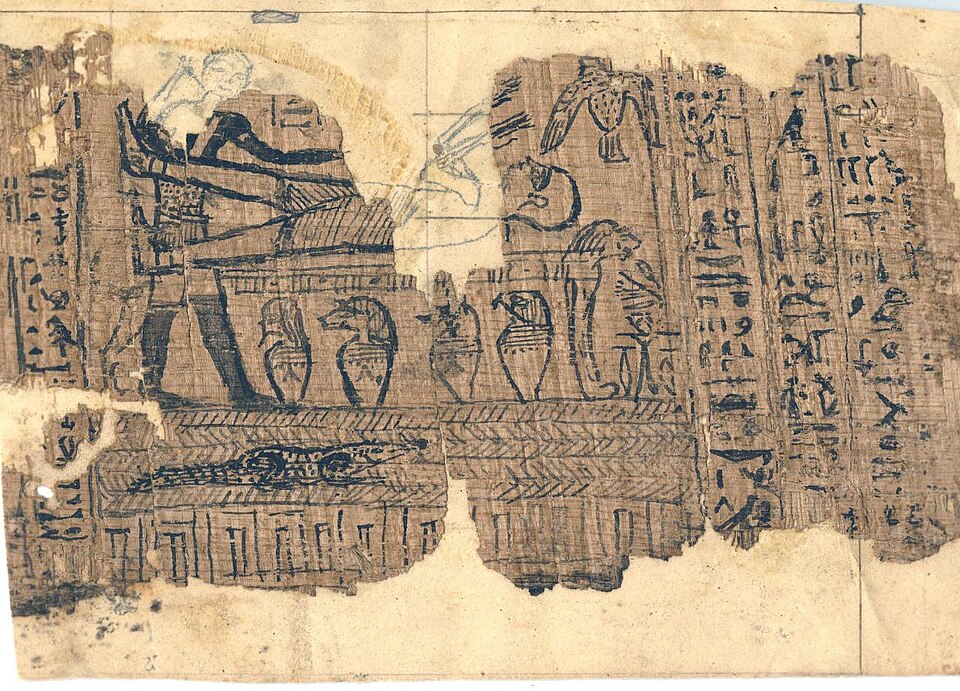
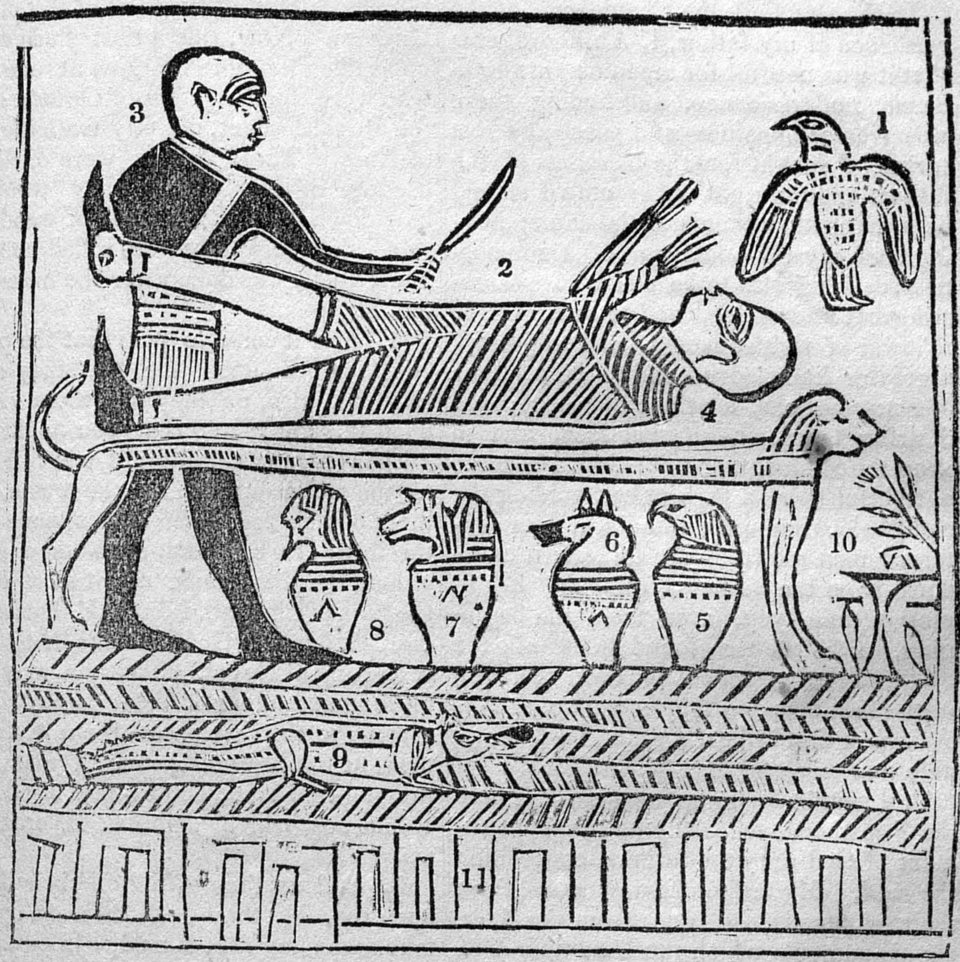
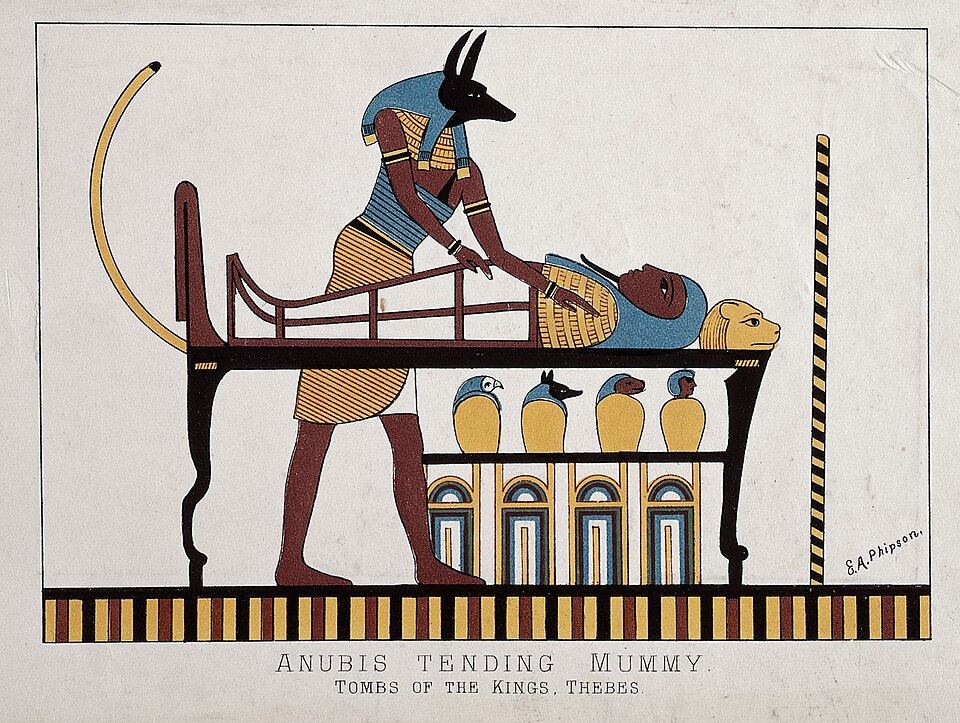
Sources: Michael D. Rhodes, "The Joseph Smith Hypocephalus — Seventeen Years Later" (1994) · Marc Coenen, Egyptologist, KU Leuven · Robert K. Ritner (2014)
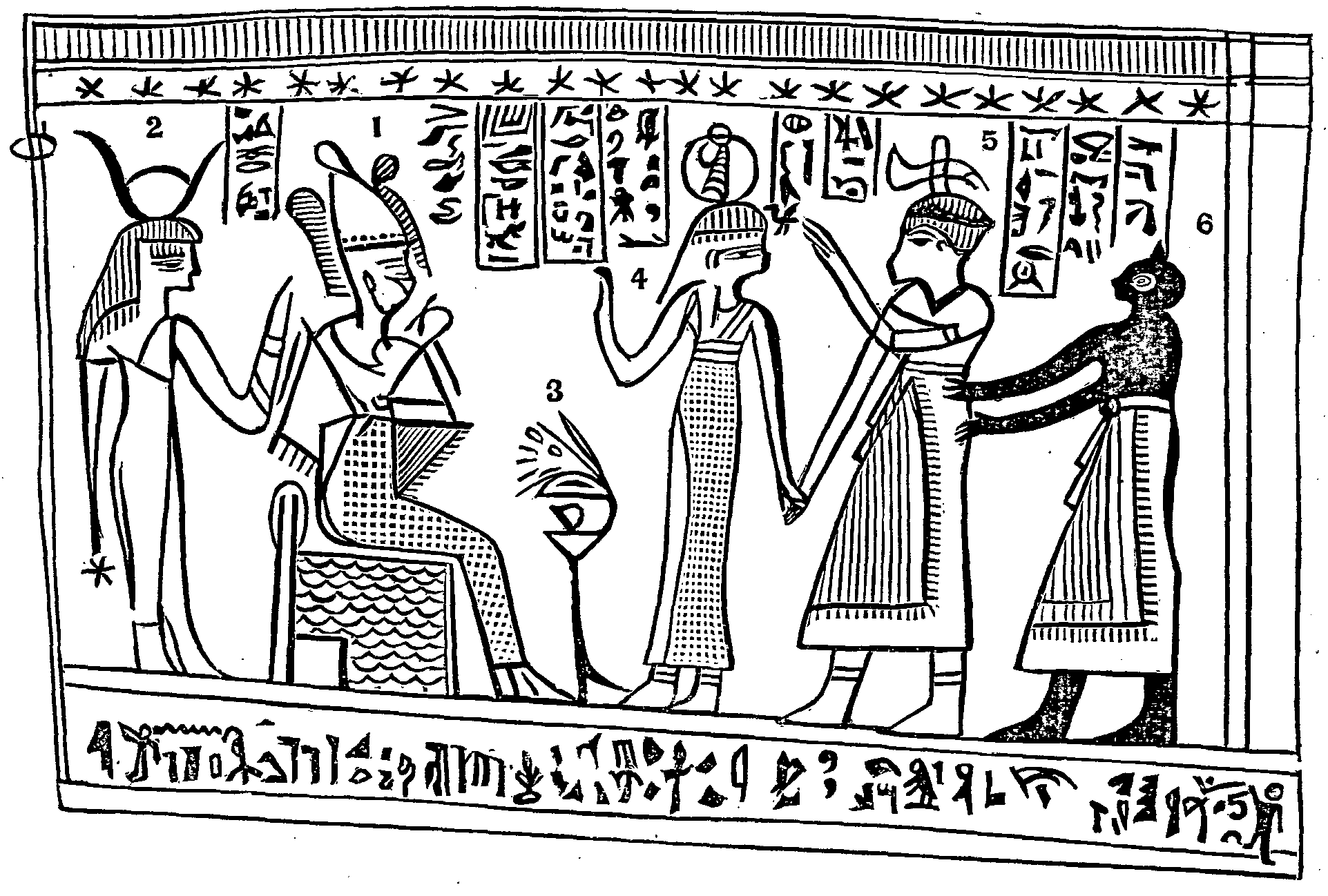
Sources: Robert K. Ritner (2014): "In Facsimile 3, Smith confuses human and animal heads and males with females. No amount of special pleading can change the female 'Isis the great, the god's mother' (Fig. 2) into the male 'King Pharaoh.'" · Michael D. Rhodes, BYU (concurs on identifications of Osiris, Isis, and Hor) · LDS Gospel Topics Essay (2014)
✦ The Evidential Weight of This Problem ✦
The Book of Abraham issue is unusual in apologetics because it does not require theological argument — it is a falsifiable, empirical claim. Joseph Smith said he translated a specific set of documents that still exist. Professional scholars in the relevant discipline have translated those same documents. The translations do not match. This is not a matter of interpretation or hermeneutics. It is a matter of whether Egyptian means what Egyptologists say it means.
Both the LDS Church's own 2014 Gospel Topics Essay and its faithful Egyptologist at BYU (Michael D. Rhodes) agree on the Egyptological identifications that contradict Smith's explanations. The point of divergence is not the facts, but what conclusions to draw from them. For the Catholic apologist, those conclusions are clear: a genuine prophet of God, claiming to translate a specific ancient text by divine authority, would not produce a document unrelated to the source material, with fictional names, misidentified genders, and physically altered evidence.